

October 24, 2026
Alone, Not Lonely: What Solitude Teaches You When You Finally Listen
Alone, Not Lonely: What Solitude Teaches You When You Finally Listen
By Joan M. Cordero, LMSW
"Loneliness kills." How many times have we heard that expression, "loneliness is killing me"? Whenever we talk about being alone, a thought comes with it: sadness, helplessness, abandonment. But what if I told you that those ideas are built up by society, tied to how we were raised and the culture around us, and not actually true? Yes, it is important to recognize that we are human beings made to live in community, not in isolation. But that does not mean that without the company of another person we are going to die or be miserable.
As Carl Jung wrote: "Loneliness does not come from having no people about one, but from being unable to communicate the things that seem important to oneself." (Memories, Dreams, Reflections, "Retrospect," 1962)
Being alone is not the same as being sad, and here I want to show you the other side of it. The philosopher Paul Tillich explained that our language created two different words for being alone: "the word 'loneliness' to express the pain of being alone. And it has created the word 'solitude' to express the glory of being alone." (The Eternal Now, "Loneliness and Solitude," 1963) When we understand the value of solitude, I can promise you the result is remarkable.
It is hard to be in solitude because we cannot avoid facing ourselves: our thoughts, which often arrive several at once; our feelings, which always show up strongly; and our surroundings, from the details of everything happening around us to an overwhelming silence. Let's look at each of these.
Our thoughts
It is only in solitude that we can be honest with ourselves, even when it is an intense battle. It is important to pay attention to the thoughts that keep us from acting, because they paralyze us. It is only in stillness that we can identify them: take each one at a time and figure out where it comes from and what it's for.
How do we do this? We ask simple questions: Are you a memory, something I still need to do, or just something I am turning over in my head? How does this thought make me feel: sad, happy, stressed, motivated? Does this thought help me feel better, move forward, or improve the situation I am living through? Does this thought have value in this moment of my life?
In the stillness of silence, when there are no interruptions from the environment, from another energy, or from another person, the answers we are looking for arrive. They will not appear right away, on demand, in the moment we want them. They come when we are ready to hear them, see them, and understand them. Each experience is unique; every person has their own process, which is why we cannot compare ours to how others go through theirs.
Our emotions
The emotions that come up during this time are all meaningful and important, which is why we must experience them, feel them, and let them pass. We cannot tie them down or hold on to certain emotions; we have to live them and let them flow. Whether it is anger, despair, or distress, live it: let it move through your whole body, and as it does, imagine it fading and leaving through the pores of your skin. In the same way, the intense emotions of love, happiness, and pure joy: feel them and let them flow.
When an emotion becomes strong enough to take over our ability to think, we must let it out and let it go. As human beings, we have the ability to notice our emotions, name them, calm them, and let them go. Why is this exercise important? Because when our emotions take over our body, they are the ones controlling our actions and our decisions. Our thinking and reasoning get clouded, and the body acts on emotion faster than on logic, wisdom, or the ability to see the pros and cons and weigh the outcomes of a situation.
When we see that a situation is going to make us uncomfortable or stir up a feeling we don't want, we ignore it or push it away. We go back to the noise: to needing to be around other people, to getting involved in other people's problems, to listening to what others think, feel, and say, because that is easier than facing our own self and our own truth.
Our surroundings and the silence
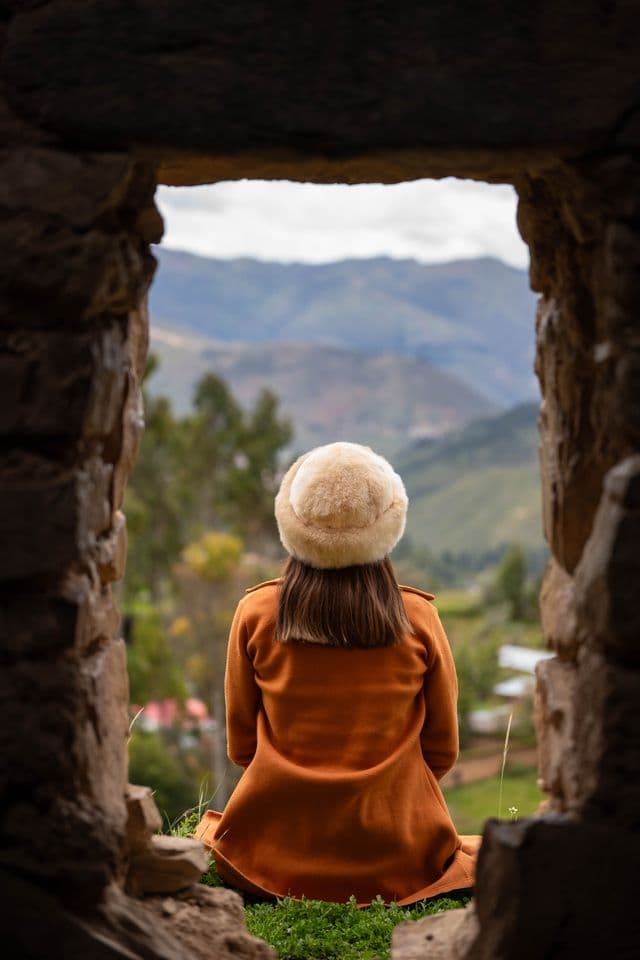
When we are alone, we also start to notice what is around us: the sound of the wind, the light coming through the window, the clock ticking, our own breathing. At first, the silence can feel overwhelming, even uncomfortable, because we are so used to filling every moment with noise: the TV, the phone, music, conversation. But when we stop running from the silence and let ourselves stay in it, it begins to change. The details around us become a way to come back to the present moment. Silence stops being empty and becomes space: space to rest, to breathe, and to finally hear what has been waiting inside us.
The freedom of solitude
When you master the art of being alone, of enjoying silence, of not depending on others to find the happiness and stability that have always been inside you and that you have hidden under the noise of the outside world, then I promise you, solitude will no longer mean sadness, heaviness, or feeling low. You will have found the key to freedom, knowing that nothing and no one has power over your life or your decisions.
The British psychiatrist Anthony Storr described it this way: "The capacity to be alone… becomes linked with self-discovery and self-realization; with becoming aware of one's deepest needs, feelings, and impulses." (Solitude: A Return to the Self, Free Press, 1988)
Becoming the best version of yourself begins with honest time alone with yourself, and it grows when you let the right people walk beside you.
Solitude is a gift, but loneliness that won't lift, or that comes with hopelessness, is a sign to reach out. If you are struggling, you don't have to figure it out alone. Amare ICS offers online therapy across Arizona, in English and Spanish: 928-940-2120 | amareics.com. In crisis? Call or text 988.